CDM, CFPP of the Month - September 2025
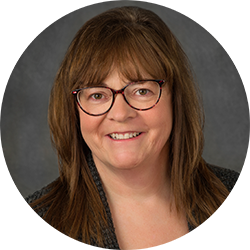
Name: Angie Mannel, CDM, CFPP
Job Title: Director of Nutrition Services
Employer: Cozad Community Health System
Job Location: Cozad, NE
Years at Current Facility: 10 years
Years in Current Position: 2.5 years
CDM, CFPP Since: 2009
Why did you decide to become a CDM, CFPP?
My journey began as a dietary aide and baker at an long-term care facility, where I discovered my passion for nutrition and patient care. I wanted to expand my knowledge beyond food preparation and play a more active role in the clinical aspect of patient nutrition. Becoming a CDM, CFPP allowed me to positively impact the health and well-being of residents and patients by helping them make healthier choices.
What are your main responsibilities in your current position?
I oversee daily operations for the hospital and assisted living (AL) nutrition services, ensuring the proper preparation and distribution of meals for patients, residents, staff, and visitors. I am responsible for menu planning, food ordering, and ensuring compliance with Medical Nutrition Therapy (MNT) guidelines administered by Registered Dietitians. Additionally, I develop and maintain the department’s annual operating budget while ensuring compliance with HIPAA regulations and patient safety standards.
How do you organize your time at work to make sure you accomplish all your responsibilities?
Time management is critical in my role. I rely on my email calendar for scheduling and maintain a weekly to-do list, which I update every Monday. However, flexibility is key—I adjust my plans as unexpected challenges arise, ensuring that daily operations run smoothly while adapting to evolving needs.
What is an example of an innovative way you have made change at your facility and how did you implement it?
At our facility, we have successfully implemented Telehealth dietitian consulting services to enhance patient access to personalized nutrition care and improve overall health outcomes. This initiative bridges gaps in nutrition services in our rural community by ensuring that patients receive expert guidance regardless of location or mobility constraints. By integrating virtual consultations into our care model, a licensed dietitian can provide customized counseling, education, and support to both patients and families, promoting better adherence to nutrition plans and improving overall nutrition status.
This approach not only streamlines referrals and optimizes patient-centered care, but also reduces the need for additional on-site resources. To implement this initiative, we established a partnership with a Telehealth dietitian, provided her with EHR access, and ensured that staff and providers were informed about the service. This approach allowed for seamless referrals, improved care coordination, and enhanced patient access to expert nutrition support. Through ongoing follow-ups and progress tracking, our Telehealth services have proven to be an innovative solution in advancing comprehensive, high-quality nutritional care.
What was your first job in the foodservice industry?
I started my career at the age of 15 as a dietary aide at an long-term care facility in my hometown. I continued working there throughout high school and later returned in 2006. In 2007, I enrolled in the CDM, CFPP course, which set the foundation for my career in nutrition services.
Who has been your biggest mentor in foodservice and how have they helped shape your career?
Janice Gengenbach, MS, RD, LMNT, has been my greatest mentor. From the beginning of my career, she guided me in understanding the significance of nutrition services in healthcare. Her mentorship shaped my approach to patient-centered care, professional growth, and leadership in the field.
What are the biggest challenges you face in your position and how do you handle them?
One of the biggest challenges is managing operations across two separate locations: the hospital and assisted living facility. Additionally, last June, we faced a major hurdle when a catastrophic hailstorm caused significant damage, flooding key areas, including the cafeteria and kitchen. As a result, our hospital staff relocated operations to the assisted living building, where meals are now prepared and transported to hospital patients. Though the reconstruction process has been slow, teamwork and adaptability have helped us navigate these difficulties.
Another ongoing challenge is adjusting to changes in healthcare and nutrition regulations. The industry is constantly evolving, and staying proactive in embracing these changes is essential for success.
What is your favorite part of your job?
The most rewarding part of my job is serving patients and residents a nutritious meal and seeing their satisfaction. For many, mealtime is something they look forward to, and knowing that I can contribute to their comfort and well-being makes this work incredibly fulfilling.
How do you stay up to date with current innovations and trends?
I utilize resources from the Association of Nutrition & Foodservice Professionals and my Nebraska state chapter. Networking with other professionals and staying engaged with industry updates helps me ensure our facility remains aligned with the latest best practices.
How do you envision the foodservice industry changing in the next few years?
The industry will continue to face staffing challenges, particularly in rural areas like ours. Recruiting, training, and retaining qualified employees will become even more difficult. Additionally, technological advancements in foodservice operations will require continuous adaptation. Facilities that embrace innovation and invest in their workforce will be best positioned for success.
What is your advice to those just getting started in the foodservice industry?
Stay persistent—this industry can be tough, but finding the right employer and team makes all the difference. Advocate for yourself and your staff because your role is just as essential as any other in healthcare. Set small, achievable goals, celebrate successes along the way, and never neglect self-care. Taking care of yourself is just as important as taking care of others.